


Programmes / Courses
Takoradi Technical Institute offers twenty (20) technical and vocational programmes across engineering, construction, ICT, creative arts, hospitality, and green technology. Programmes are delivered through Competency-Based Training (CBT) and Traditional-Based Training, combining classroom instruction with intensive workshop practice and Workplace Experience Learning (WEL) with industry.
All students also study six compulsory generic subjects: Mathematics, English Language, Integrated Science, Social Studies, Information and Communication Technology (ICT), and Entrepreneurship, ensuring every graduate leaves with both trade skills and a strong general education foundation.
Mechanical Engineering Technology
One of the Institute's three founding programmes, Mechanical Engineering Technology equips students with practical and theoretical skills in...
Careers: Mechanical Technician, Maintenance Technician, Production Technician, Plant Maintenance Engineer, Manufacturing Supervisor, Industrial Machi...
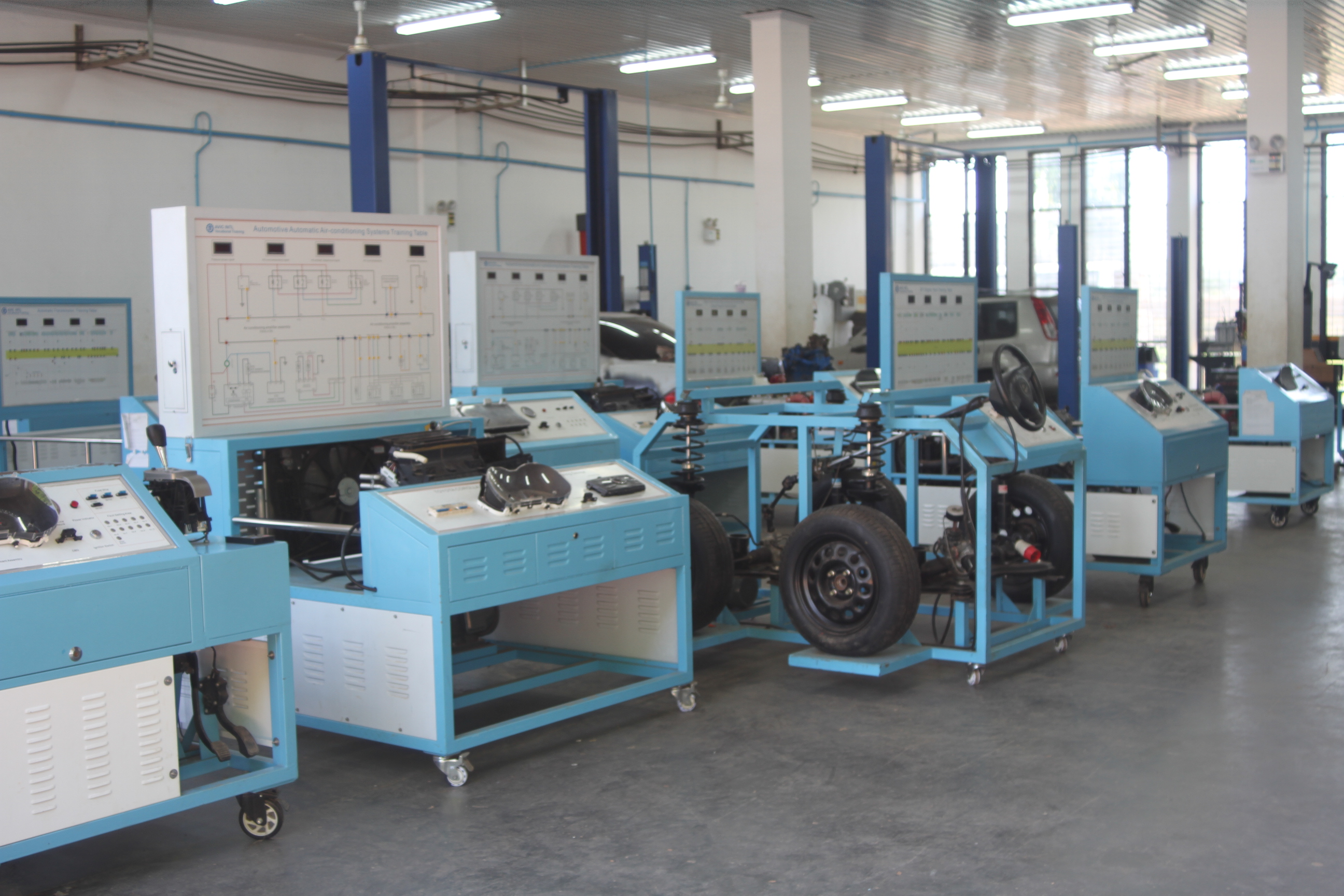
Electrical Engineering Technology
A founding programme and one of T.T.I.'s recognised areas of excellence, this programme focuses on domestic and industrial electrical instal...
Careers: Electrical Technician, Industrial Electrician, Power Distribution Technician, Electrical Maintenance Officer, Electrical Installation Contra...
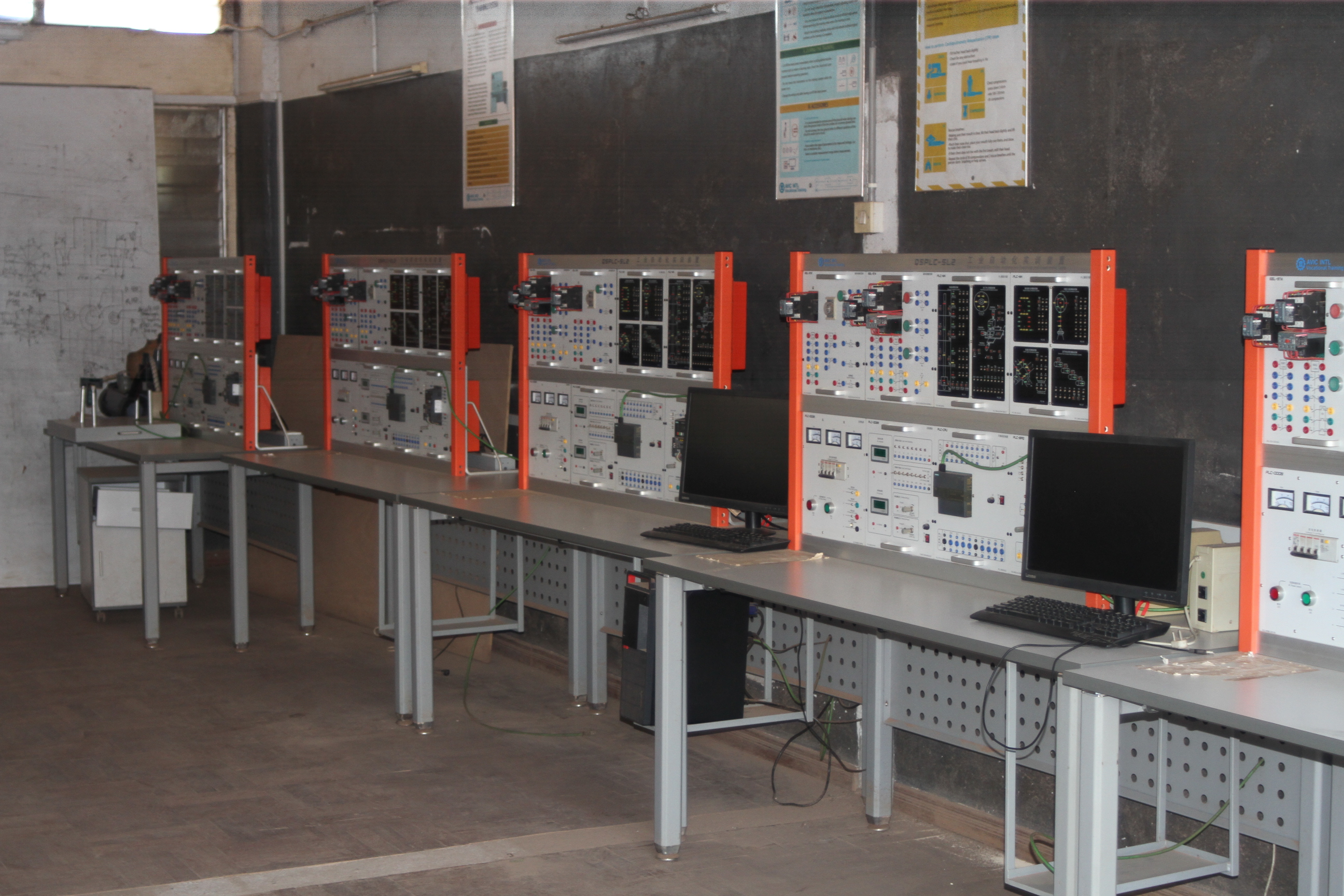
Electronics Engineering
This programme develops learners' competencies in electronic circuits, embedded systems, digital electronics, communication devices, instrum...
Careers: Electronics Technician, Telecommunications Technician, Industrial Automation Technician, Instrumentation Technician, ICT Hardware Specialist...
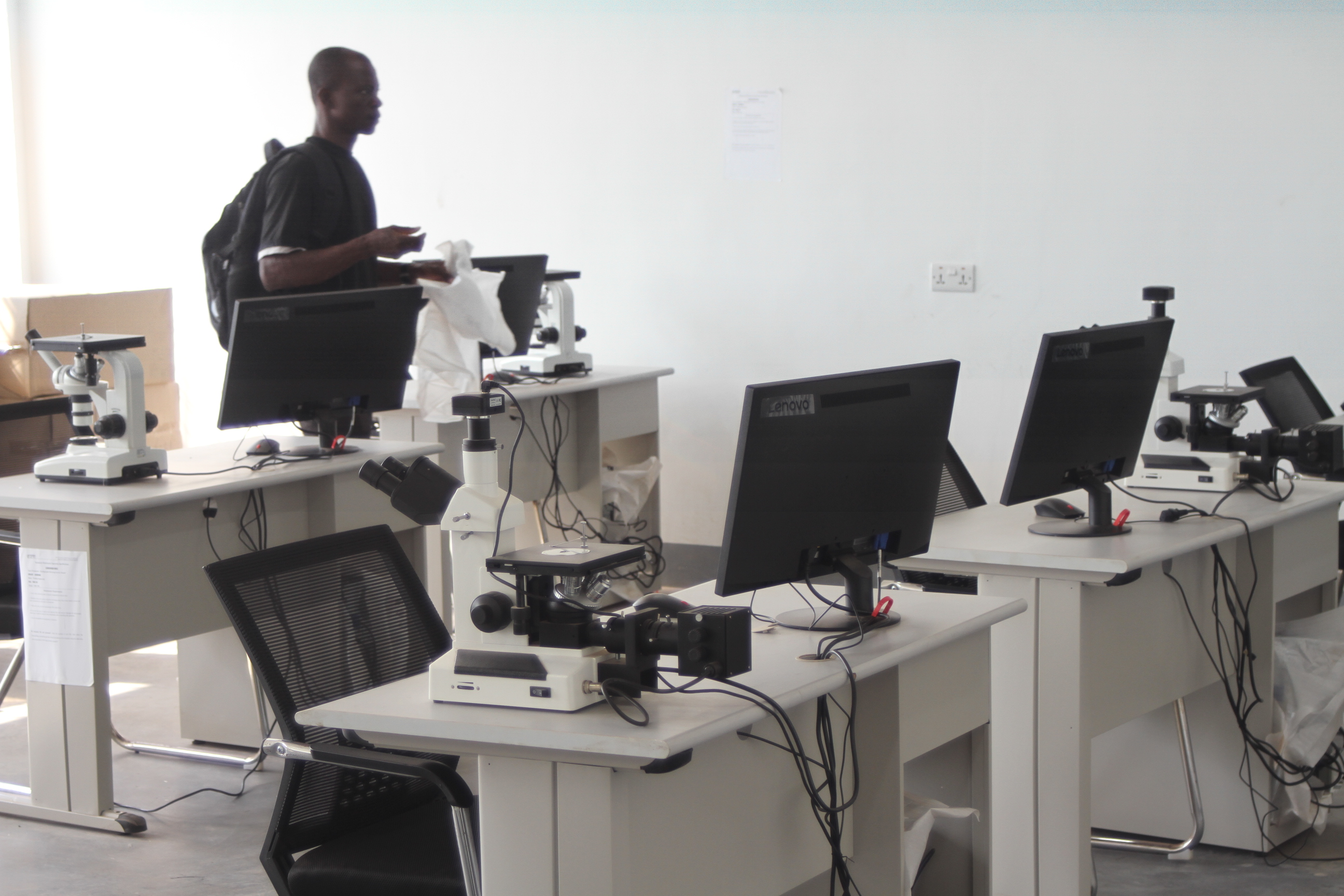
Automotive Engineering Technology
One of the Institute's pioneering programmes, Automotive Engineering Technology provides comprehensive training in vehicle diagnostics, engi...
Careers: Automotive Technician, Vehicle Diagnostic Specialist, Fleet Maintenance Officer, Service Advisor, Automobile Workshop Manager, Automotive In...
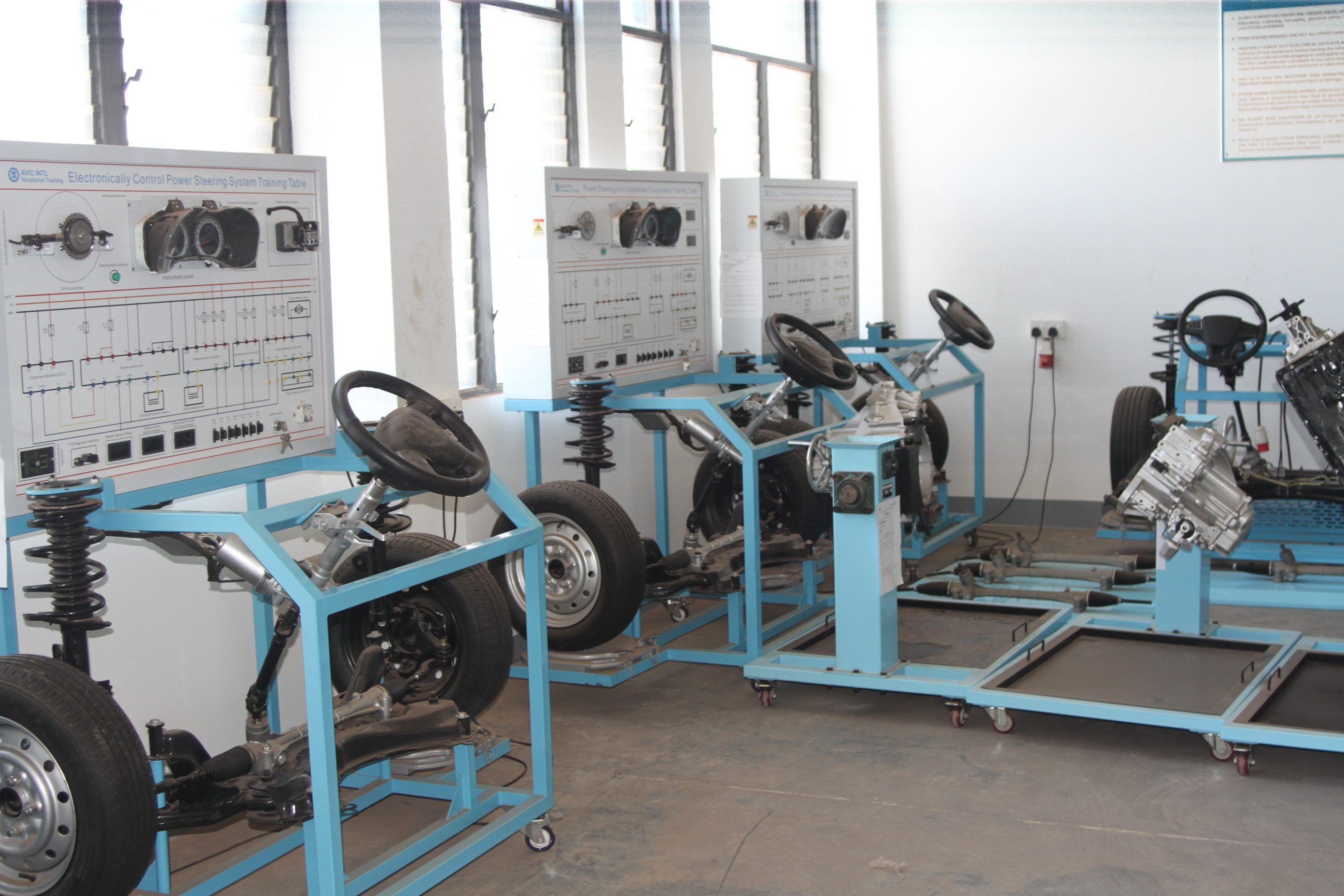
Small Engine Repairs
This specialised programme provides practical training in the maintenance, servicing, and repair of motorcycles, generators, outboard motors...
Careers: Small Engine Technician, Motorcycle Mechanic, Generator Service Technician, Agricultural Equipment Mechanic, Marine Outboard Technician, Equ...
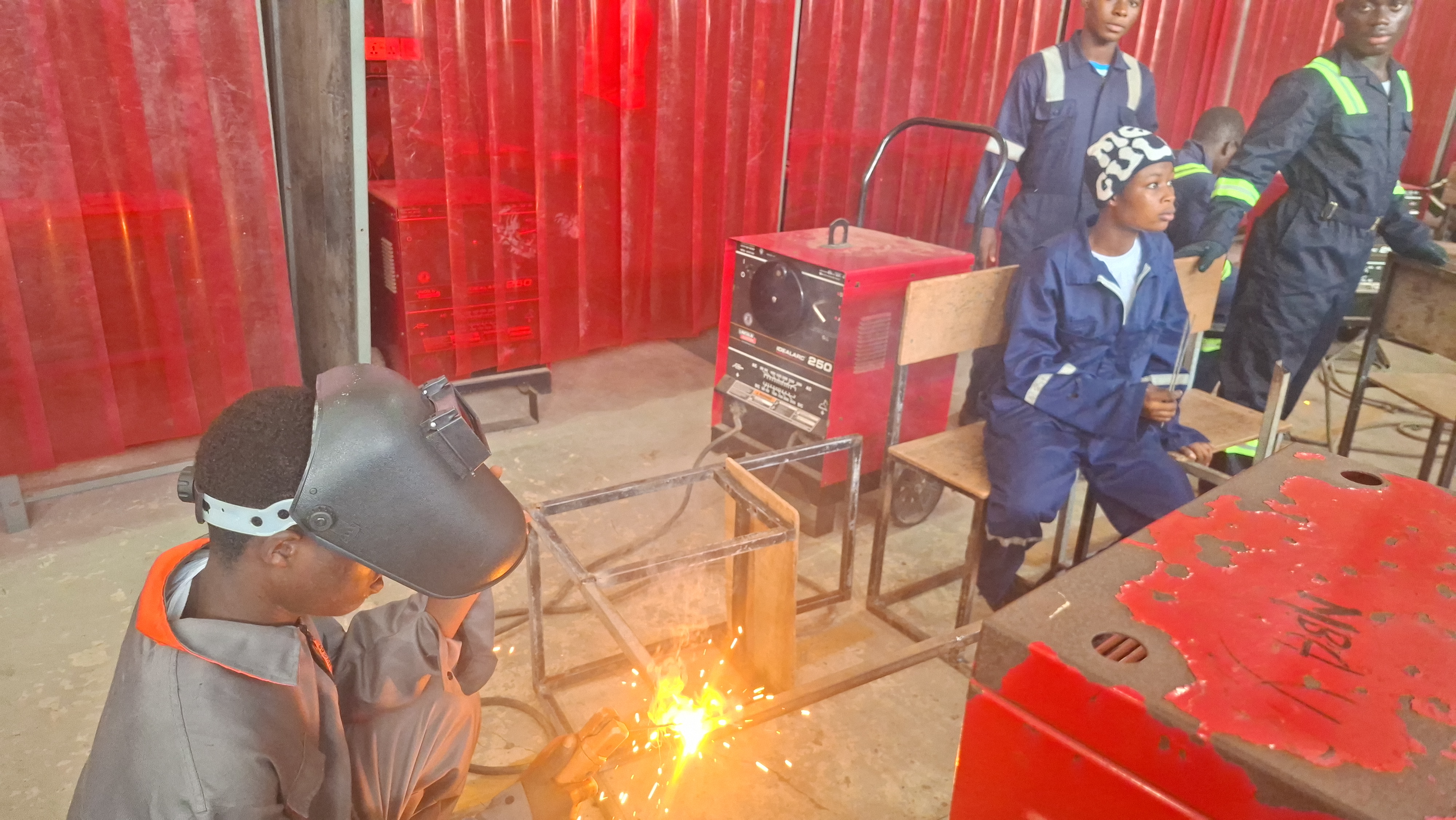
Welding and Fabrication Technology
Students receive industry-standard training in various welding processes, metal fabrication, structural steel work, pipe welding, and fabric...
Careers: Certified Welder, Fabrication Technician, Structural Steel Fabricator, Pipeline Welder, Shipbuilding Technician, Construction Welder, Oil an...
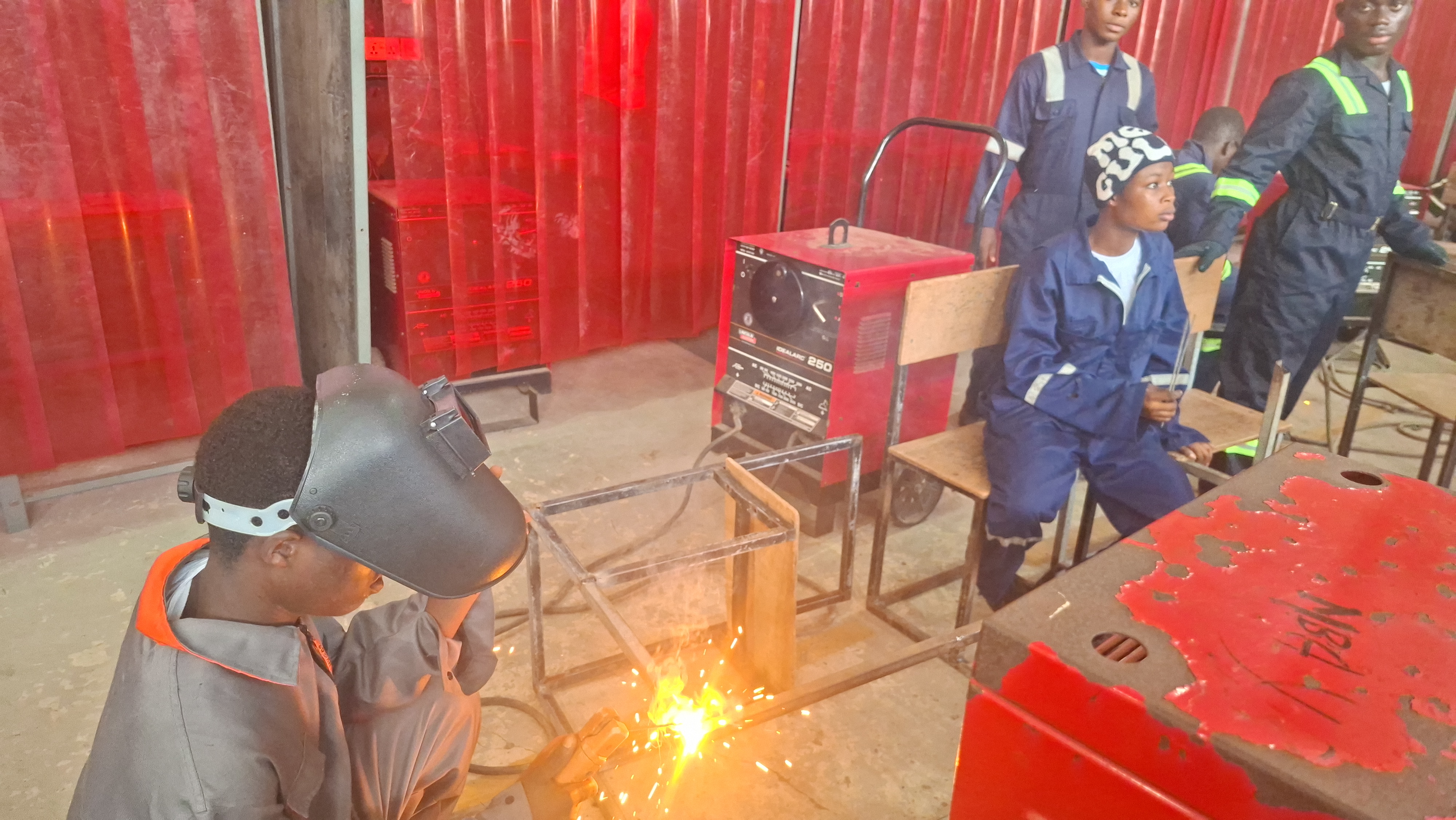
Refrigeration and Air-Conditioning Technology
This programme prepares students to install, service, troubleshoot, and maintain domestic, commercial, and industrial refrigeration and air-...
Careers: Refrigeration Technician, Air-Conditioning Installer, HVAC Technician, Cold Room Maintenance Specialist, Building Services Technician, Facil...
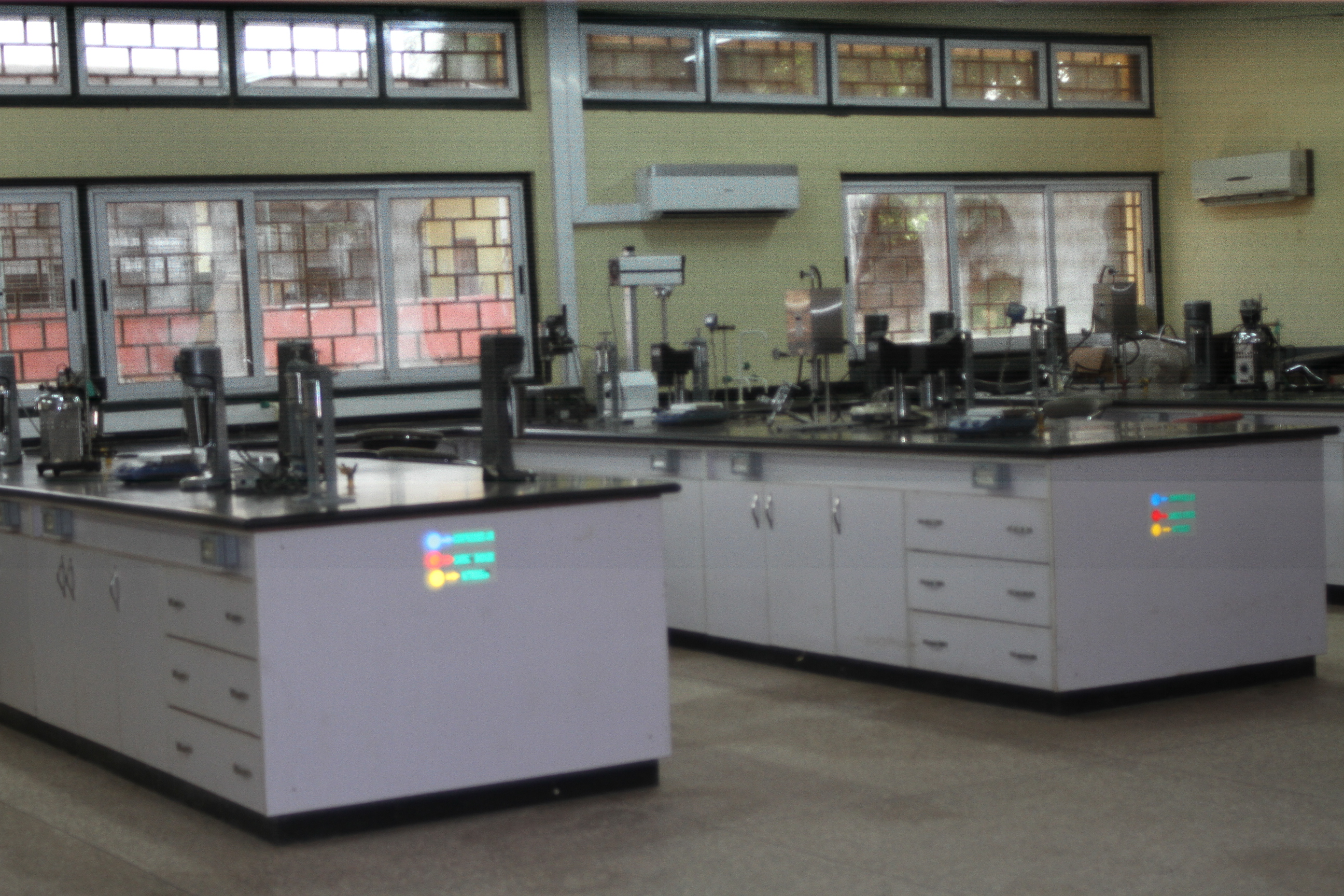
Solar Photovoltaic Technology
Designed to meet the growing demand for renewable energy professionals, this programme equips students with skills in the design, installati...
Careers: Solar PV Installation Technician, Renewable Energy Technician, Energy Auditor, Solar Systems Designer, Green Energy Consultant, Energy Proje...
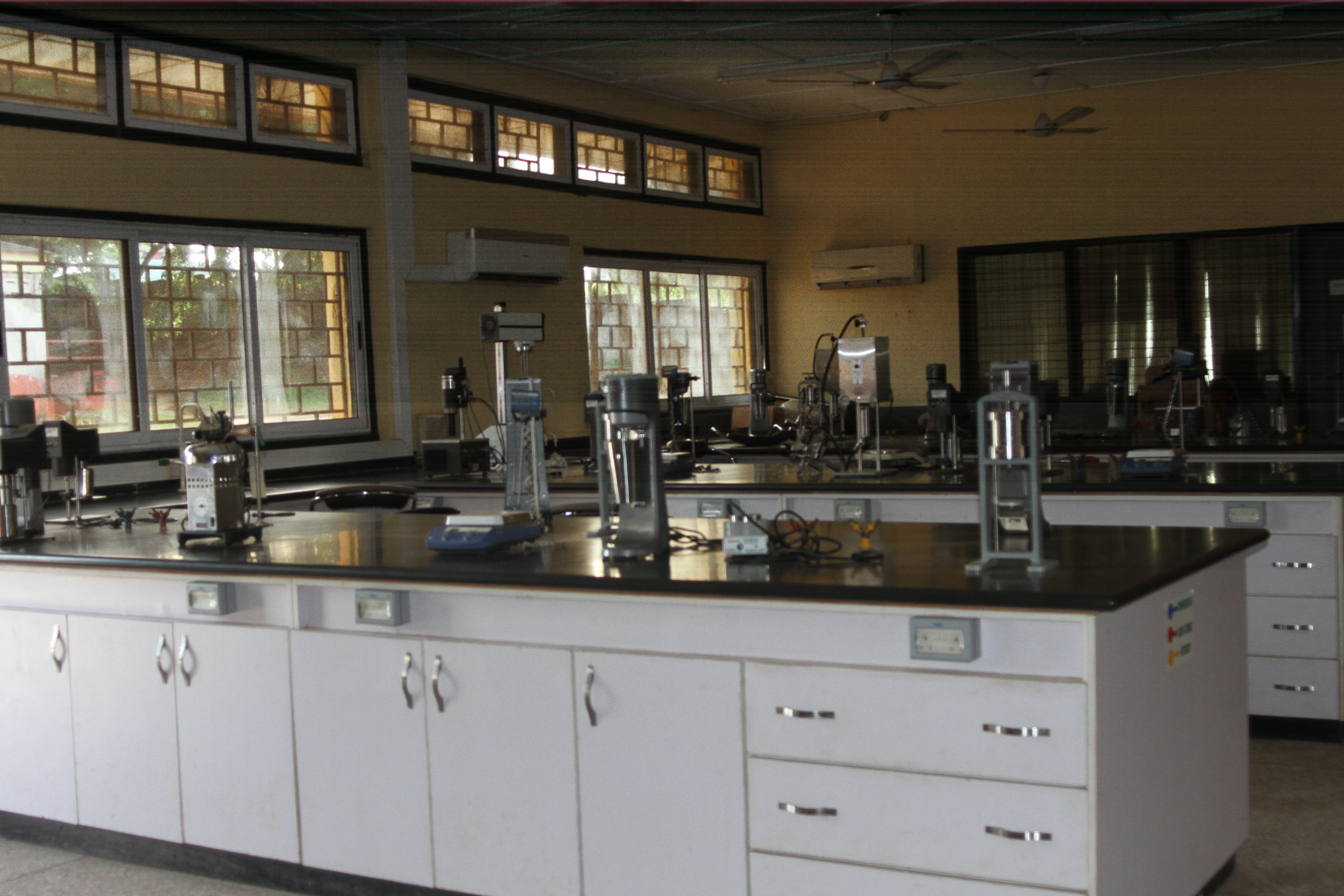
Building Construction Technology
This programme provides comprehensive training in building construction, including masonry, bricklaying, concreting, carpentry, roofing, fin...
Careers: Building Technician, Construction Supervisor, Site Foreman, Masonry Specialist, Building Inspector, Quantity Survey Assistant, Construction...
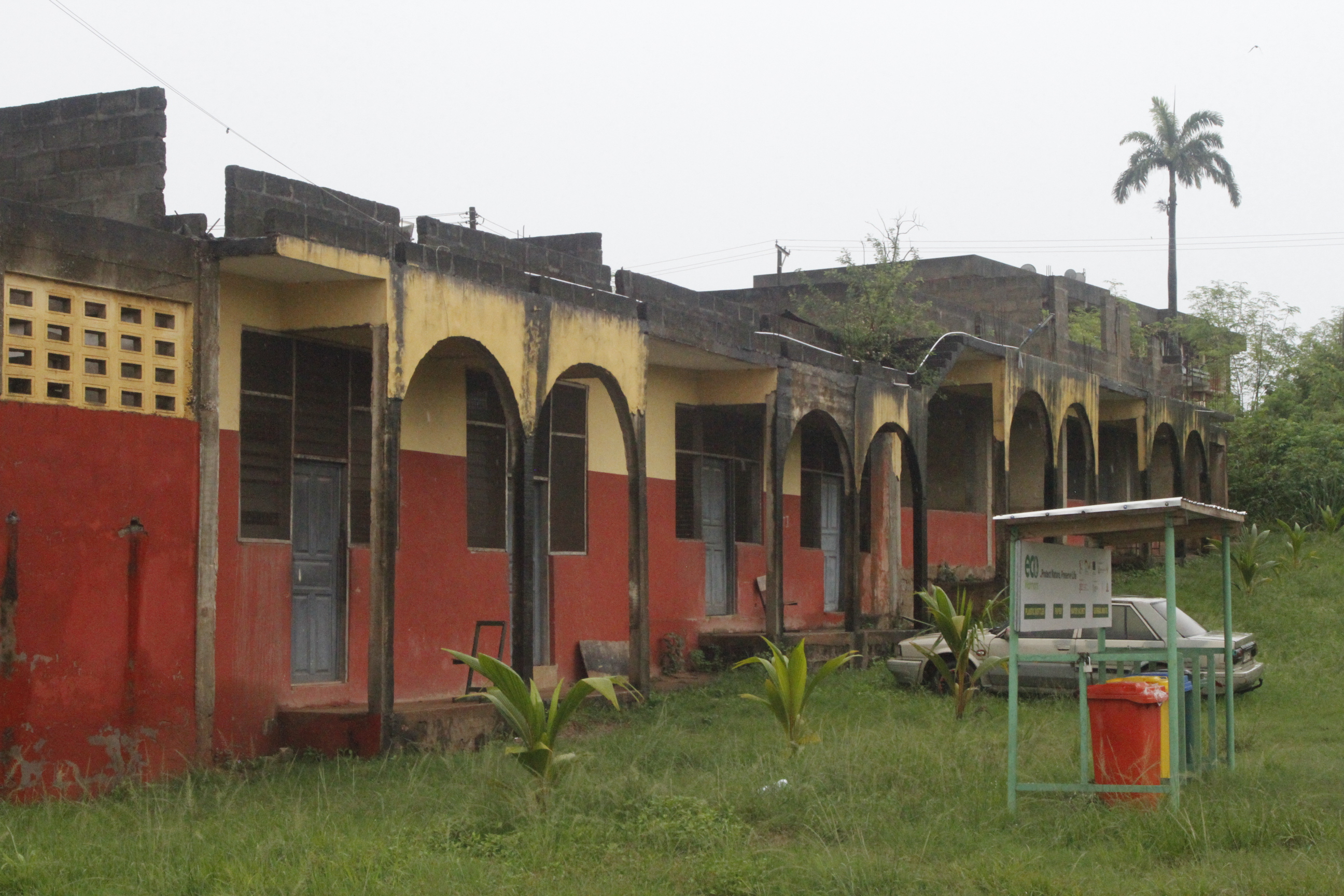
Building Construction Technology (CBT Option)
This Competency-Based Training (CBT) pathway delivers the Building Construction programme using industry-defined occupational standards. Lea...
Careers: Construction Technician, Building Site Supervisor, Building Contractor, Site Manager, Skilled Mason, Construction Consultant, Facilities Mai...
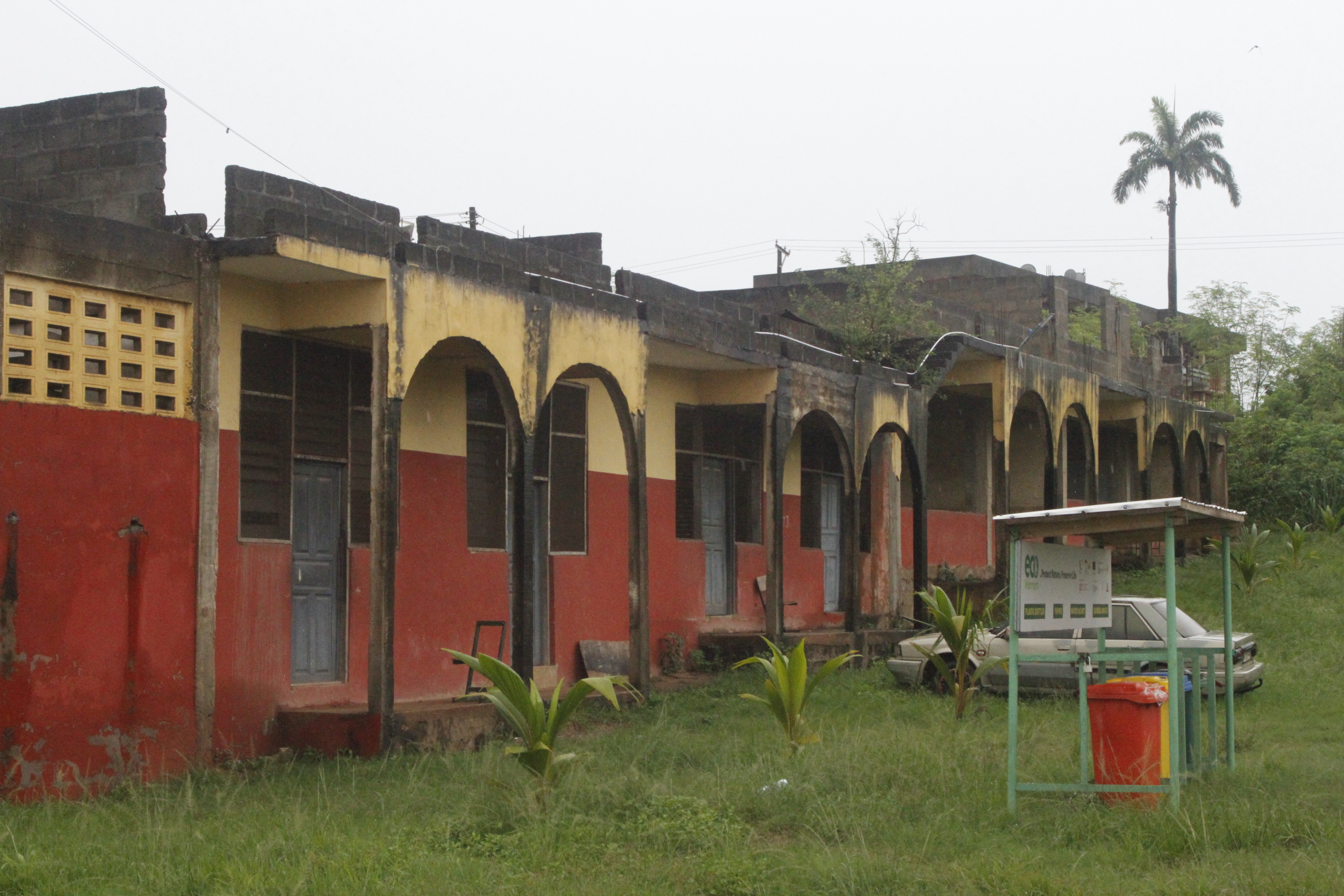
Biodigester Construction (CBT Option)
A specialised competency-based programme that equips students with the skills to design, construct, install, and maintain biodigester system...
Careers: Biodigester Installation Technician, Sanitation Technician, Environmental Services Officer, Green Construction Specialist, Renewable Energy...
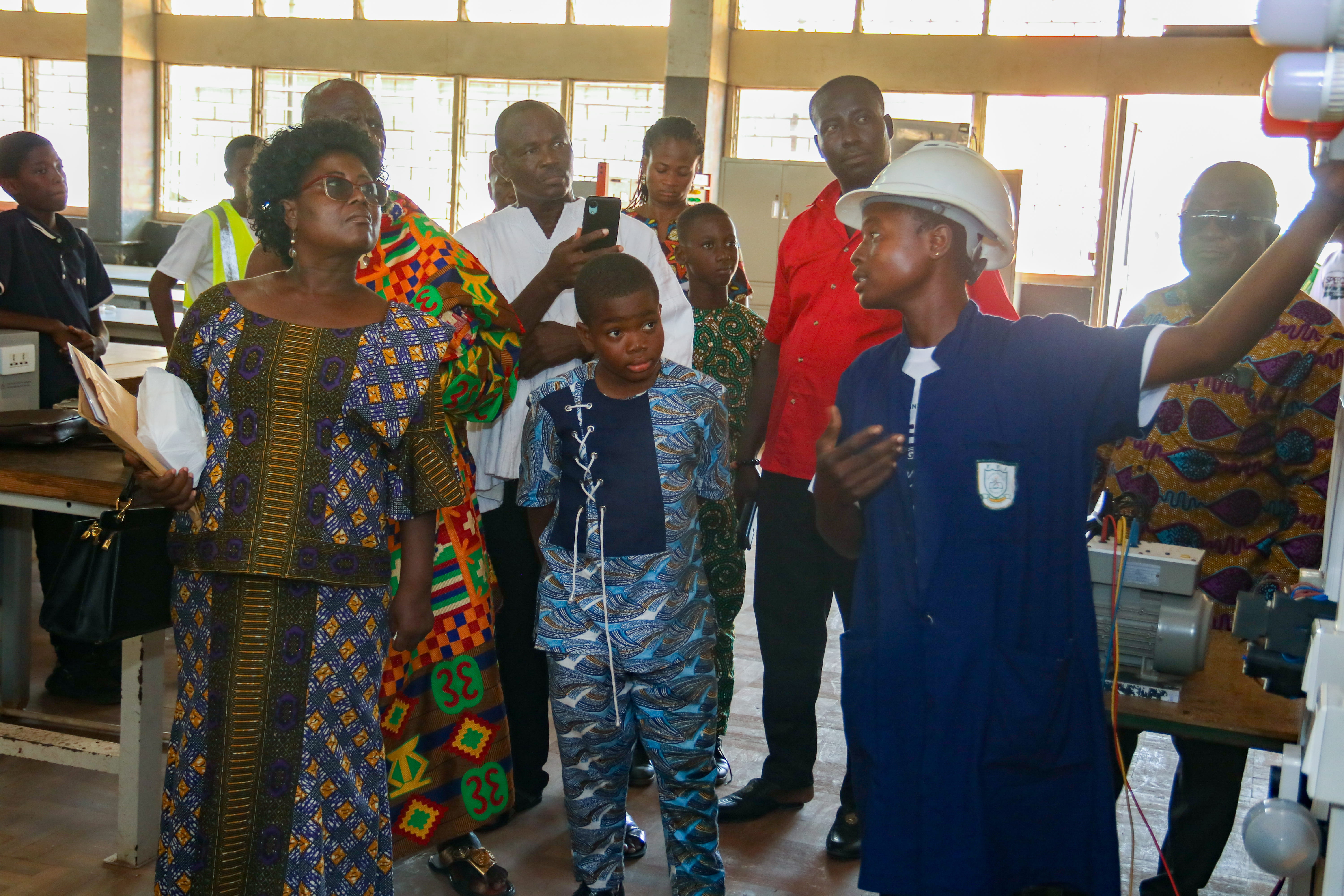
Plumbing and Gas Fitting Technology
Students receive practical training in the installation, maintenance, and repair of water supply systems, drainage systems, sanitation facil...
Careers: Plumber, Gas Fitting Technician, Water Supply Technician, Pipefitting Specialist, Building Services Technician, Facilities Maintenance Offic...
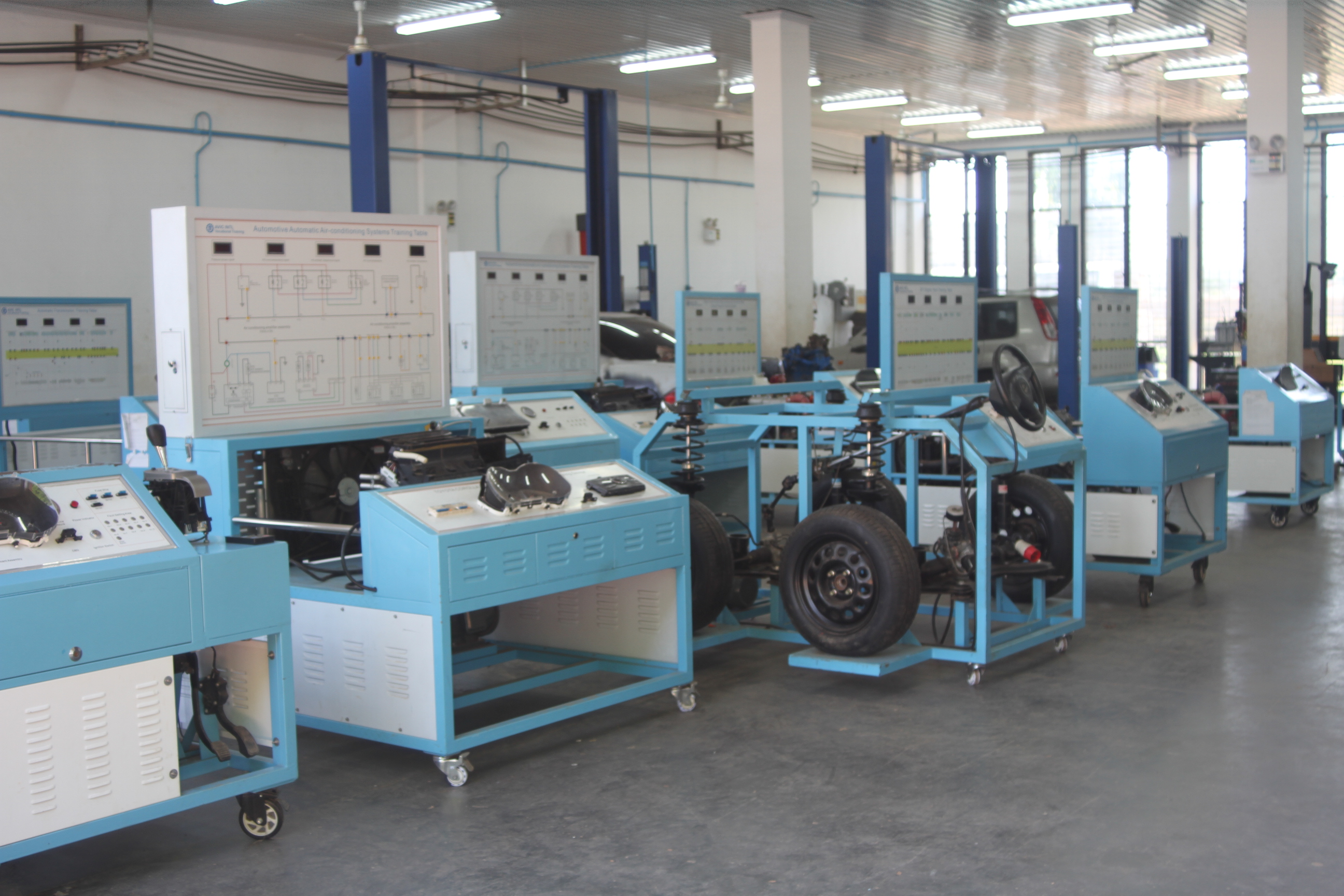
Architectural Draughtsmanship
This programme develops competencies in technical drawing, architectural design, construction documentation, Computer-Aided Design (CAD), an...
Careers: Architectural Draughtsperson, CAD Technician, Architectural Assistant, Building Design Technician, Drafting Officer, Interior Design Assista...
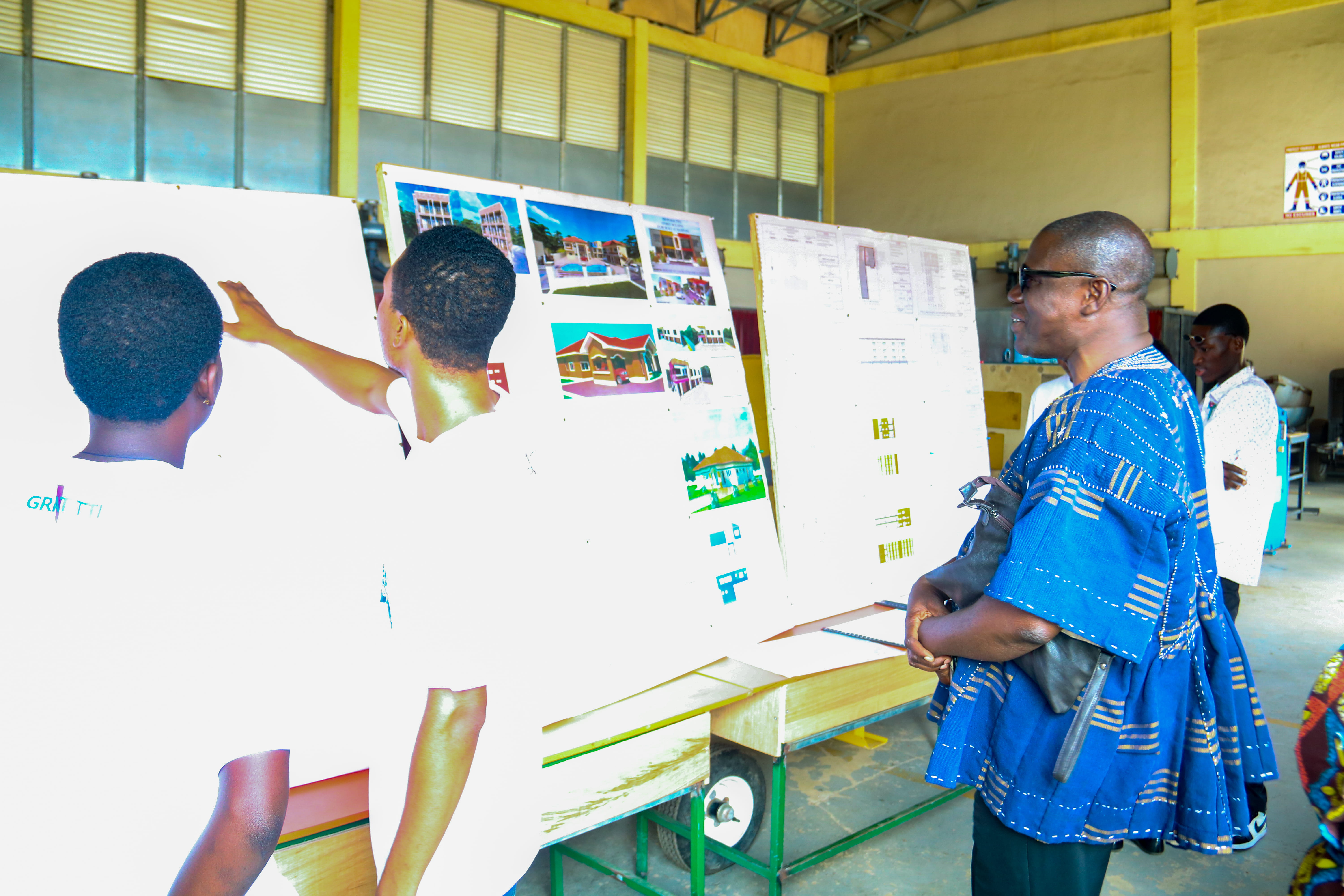
Information Technology
Information Technology equips students with practical knowledge in computer systems, networking, database management, cybersecurity fundamen...
Careers: IT Support Technician, Network Administrator, Systems Administrator, Cybersecurity Support Officer, Database Assistant, ICT Officer, Help De...
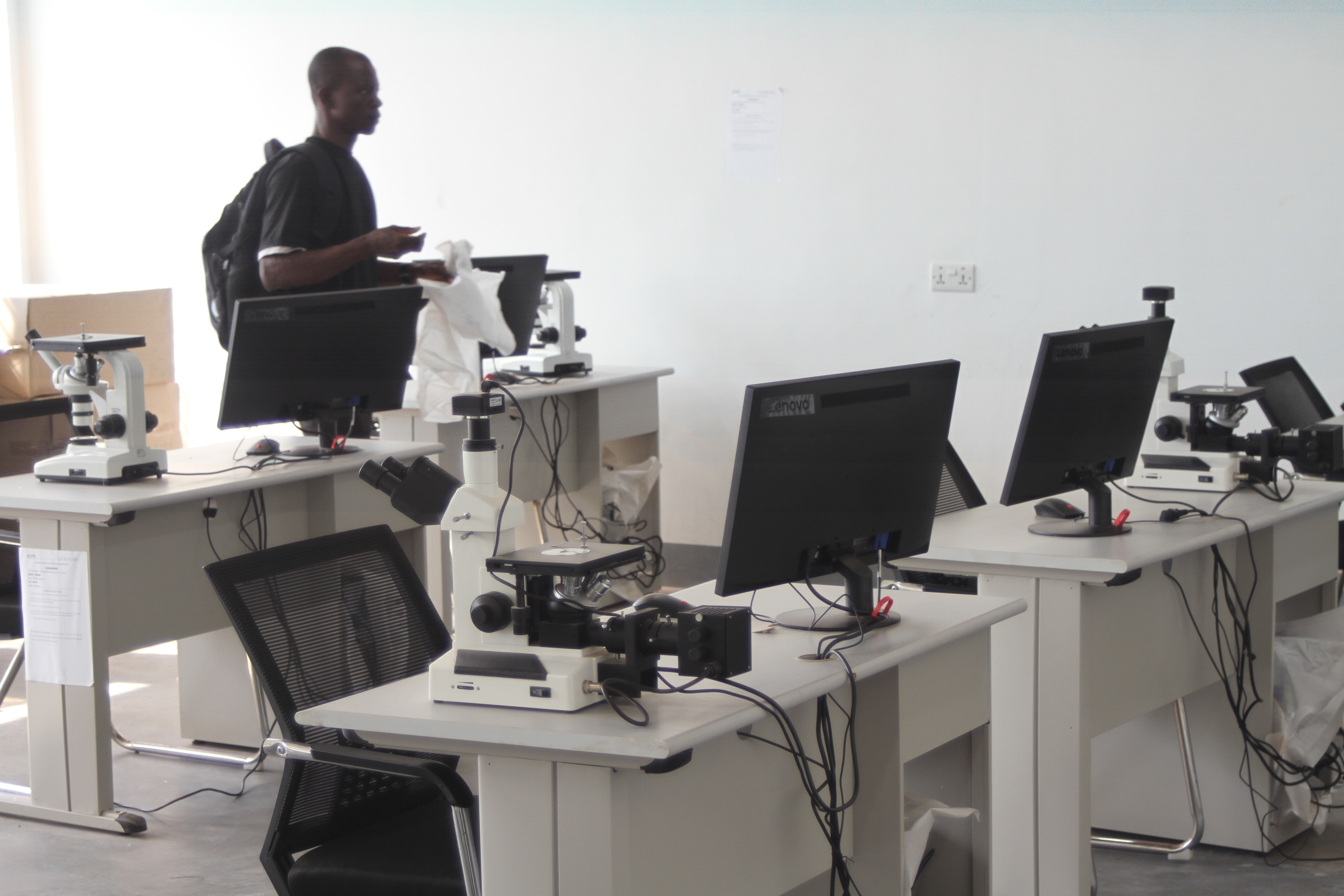
Computer Hardware Technology
This programme focuses on computer assembly, hardware installation, maintenance, troubleshooting, repair, networking equipment, and peripher...
Careers: Computer Hardware Technician, ICT Support Engineer, Computer Maintenance Specialist, Network Installation Technician, Field Service Technici...
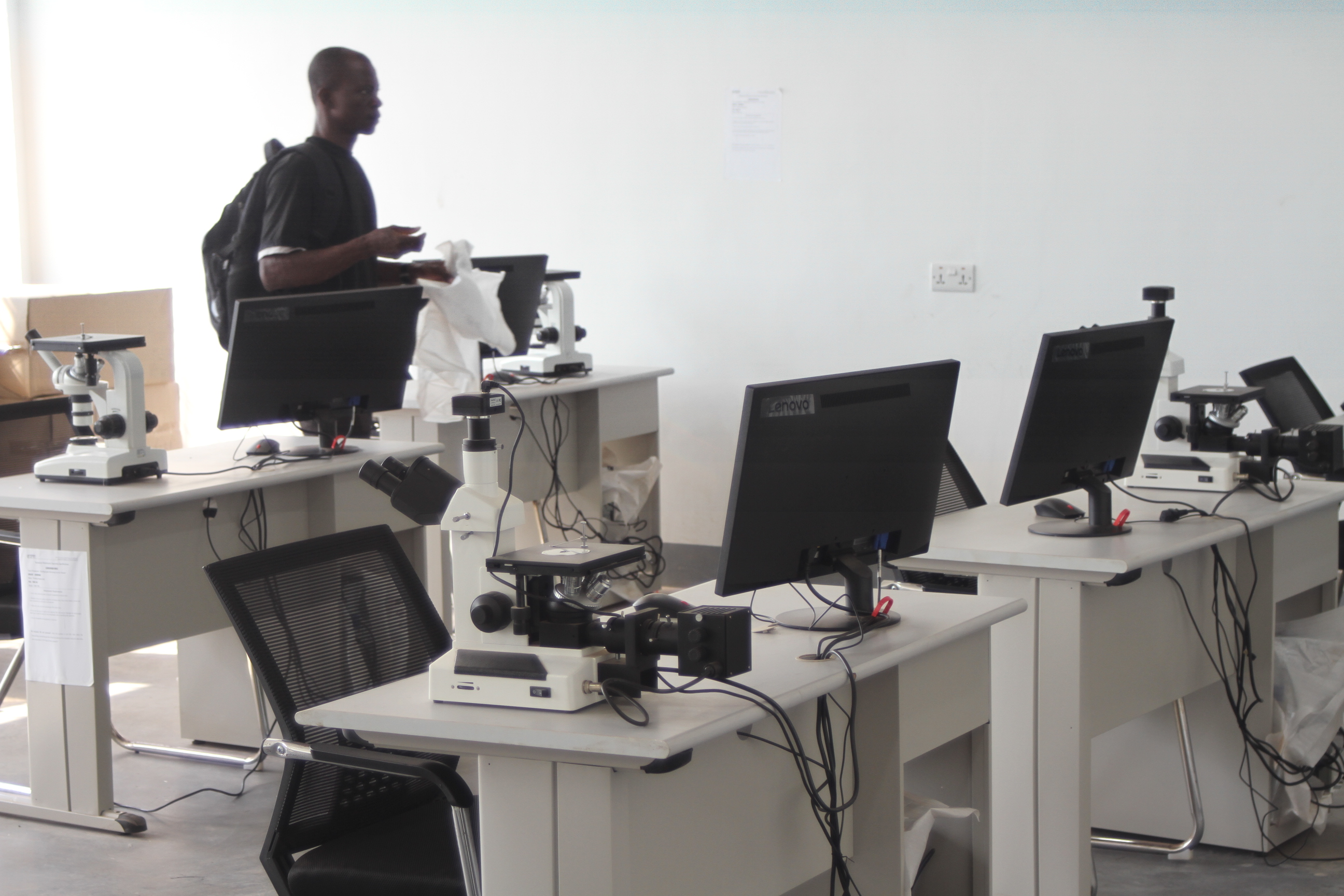
Software Development (CBT Option for Girls)
Designed to promote female participation in technology, this competency-based programme equips young women with skills in programming, softw...
Careers: Software Developer, Web Developer, Mobile App Developer, Front-End Developer, Back-End Developer, Quality Assurance Tester, Junior Programme...
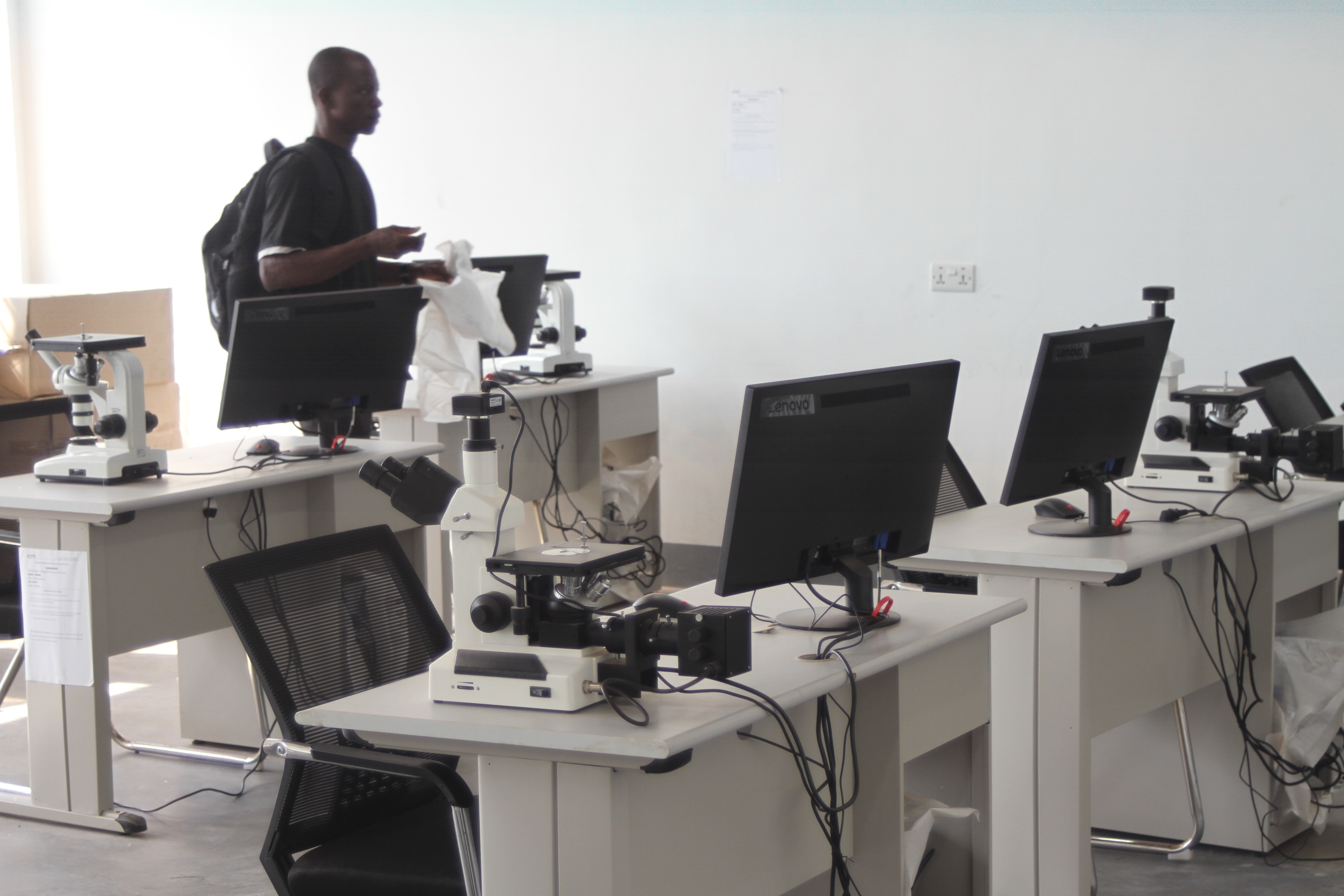
Graphic Design Technology
Students develop creative and technical skills in visual communication, branding, digital illustration, typography, photography, multimedia...
Careers: Graphic Designer, Brand Designer, Digital Content Creator, Multimedia Designer, UI/UX Designer, Print Production Specialist, Creative Direct...
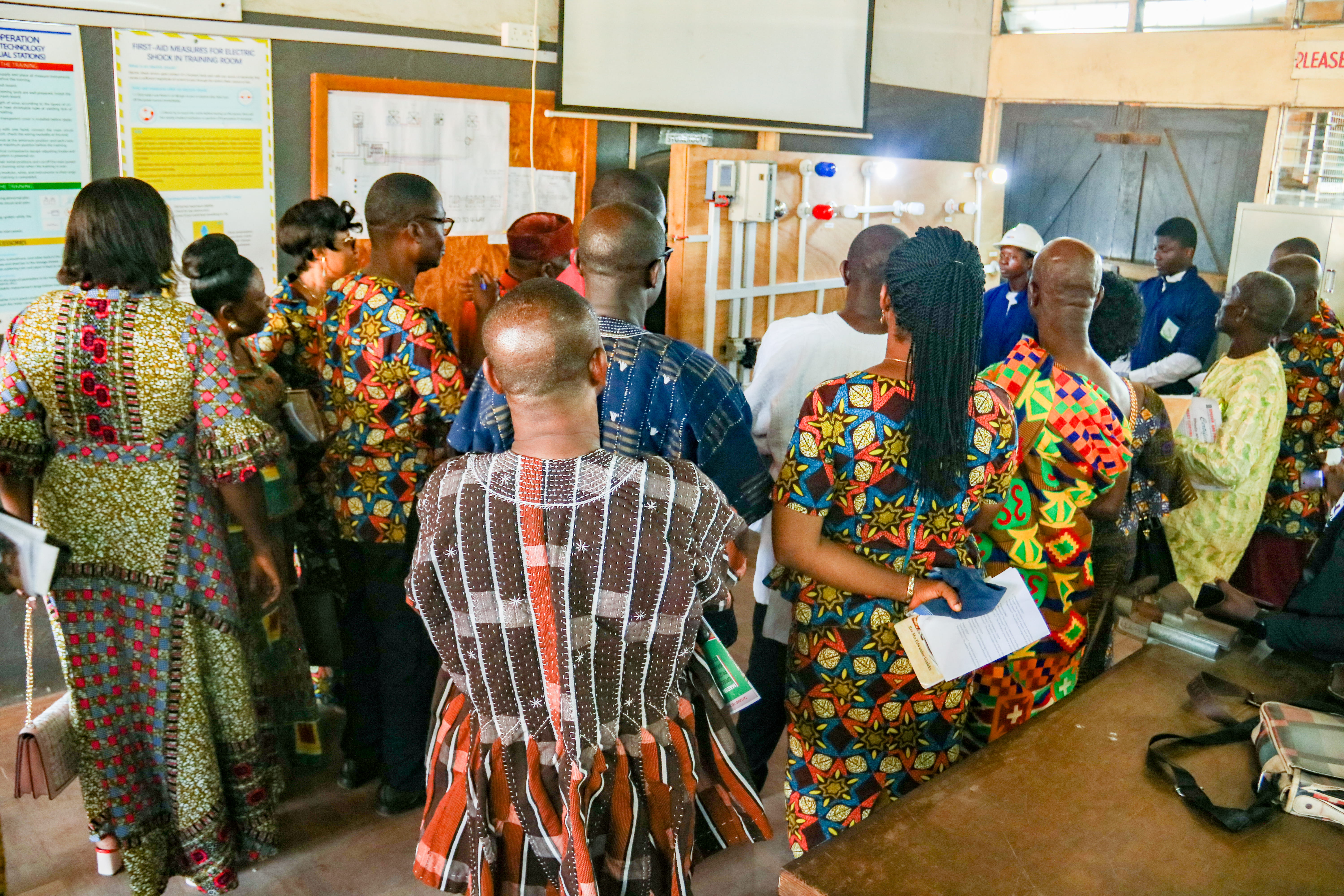
Fashion Design Technology
This flagship creative programme provides comprehensive training in garment construction, fashion illustration, pattern drafting, textile te...
Careers: Fashion Designer, Garment Technologist, Pattern Maker, Fashion Illustrator, Production Supervisor, Costume Designer, Textile Entrepreneur, B...

Hospitality and Catering Management
This programme prepares students for careers in hospitality, culinary arts, catering services, food production, restaurant operations, hotel...
Careers: Chef, Caterer, Restaurant Manager, Hotel Supervisor, Food Production Technician, Hospitality Officer, Event Coordinator, Pastry Chef, Touris...

Recycling Technology (CBT Option)
A competency-based programme that develops practical skills in waste management, recycling technologies, environmental sustainability, resou...
Careers: Recycling Technician, Waste Management Officer, Environmental Technician, Circular Economy Specialist, Sustainability Officer, Resource Reco...
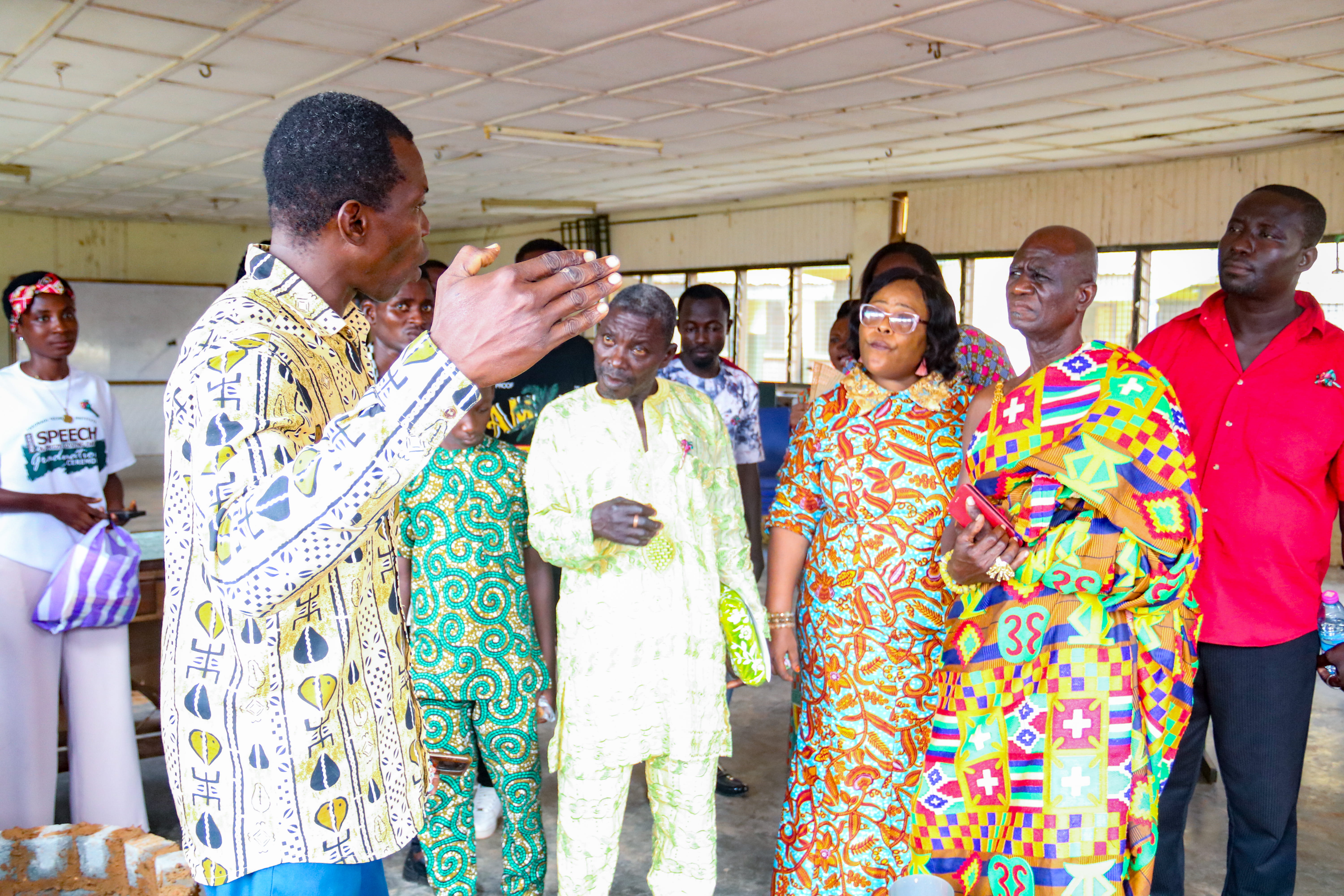
Programme Duration
Takoradi Technical Institute offers programmes under both the National Certificate (NC) and National Proficiency (NP) pathways of Ghana's Technical and Vocational Education and Training (TVET) system. The duration of study depends on the programme pathway and qualification being pursued.
| Programme Pathway | Qualification | Duration | Remarks |
|---|---|---|---|
| National Certificate (NC) Track | National Certificate I (NC I) & National Certificate II (NC II) | Three (3) Years | Classroom instruction, workshop practice, and Workplace Experience Learning (WEL) |
| Programme Pathway | Qualification | Duration | Remarks |
|---|---|---|---|
| National Proficiency (NP) Track | National Proficiency I (NP I) & National Proficiency II (NP II) | Two (2) Years | Competency assessments with industry-based learning |
Students receive intensive classroom instruction, practical workshop training, and industry-based learning throughout their programmes. Many programmes also include Workplace Experience Learning (WEL) and competency assessments to ensure graduates acquire the practical skills and professional competencies required by industry.
Entry Requirements
Admission pathways at Takoradi Technical Institute follow either the National Certificate (BECE) track or the CBT / National Proficiency track. Requirements differ by pathway; shared expectations on age, conduct, medical fitness, and NHIS apply across both.
| Requirement | Detail | Remarks |
|---|---|---|
| B.E.C.E. results | Applicants must have sat for and obtained results in the Basic Education Certificate Examination (B.E.C.E.) conducted by the West African Examinations Council. | NC (BECE) pathway |
| Aggregate | Applicants must obtain the required aggregate for their chosen programme — B.E.C.E. aggregate not more than 38. | Not more than 38 |
| Minimum age | Fourteen (14) years or above. | 14+ |
| Character & conduct | Applicants must demonstrate good character and conduct. Any falsification of documents or information may lead to withdrawal of admission. | Falsification may lead to withdrawal |
| Medical fitness | Learners may be required to undergo a medical examination and present a medical fitness report upon admission. | May be required upon admission |
| NHIS card | Learners are encouraged to possess a valid NHIS card before reporting to school. | Encouraged before reporting |
| Requirement | Detail | Remarks |
|---|---|---|
| Eligibility | Open to any interested applicant ready to pursue a programme in Competency-Based Training (CBT), National Proficiency I (NP I), or National Proficiency II (NP II). | CBT / NP pathway |
| Formal certificate | Entry to NP I normally requires no formal certificate, making it an accessible bridge for learners with minimal or no formal education background. | NP I open-access bridge |
| Shared expectations | The same age (14+), conduct, medical fitness, and NHIS expectations apply. | As for BECE pathway |
Admission is offered based on merit, programme requirements, and available vacancies. The Institute reserves the right to withdraw admission if any information provided by an applicant is found to be false or misleading.
Certification & Progression
Programmes at T.T.I. lead to nationally recognised qualifications on the National TVET Qualification Framework (NTVETQF). Whatever their starting point, T.T.I. students have a clear pathway from foundational skills all the way to the highest levels of technical education in Ghana.
| Qualification | Framework | Progression | Remarks |
|---|---|---|---|
| National Certificate II (NC II) | NTVETQF | University / HND / B.Tech | Entry requirement for University and progression to HND / B.Tech programmes |
| Qualification | Framework | Progression | Remarks |
|---|---|---|---|
| National Certificate I (NC I) | NTVETQF | NC II | Progression to National Certificate II (NC II) |
| Qualification | Framework | Progression | Remarks |
|---|---|---|---|
| National Proficiency I (NP I) | NTVETQF | NP II / Technical University | Entry requirement for Technical University; bridge into the NC track |
| National Proficiency II (NP II) | NTVETQF | NC I / Technical University | Entry requirement for Technical University; bridge into the NC track |
| Step | Level | Next step | Remarks |
|---|---|---|---|
| 1 | NP I | NP II | Foundational proficiency |
| 2 | NP II | NC I | Bridge into the NC track |
| 3 | NC I | NC II | Certificate pathway |
| 4 | NC II | HND | University / HND entry |
| 5 | HND | B.Tech | Higher national progression |
| 6 | B.Tech | M.Tech | Bachelor of Technology |
| 7 | M.Tech | D.Tech | Highest levels of technical education in Ghana |